Grbić Lab
The Spider Mite Team

Welcome to the Grbić Lab

We are the Spider Mite Team at Western University in Ontario, Canada. Our research focuses on the genomics and genetics of spider mite–host plant interactions, adaptation, and resistance to pesticides. Our goal is to understand the molecular and evolutionary mechanisms driving pest adaptation and to support sustainable agriculture through genomic insights.


Lab Updates

  • Apr XX, 2026

    To update....

  • Mar XX, 2026

    To update....

  • Feb XX, 2026

    To update....

  • Jan XX, 2026

    To update....

  • Dec XX, 2025

    To update....

  • Nov XX, 2025

    To update....

  • Oct 31, 2025

    15th Spider Mite Genome Meeting, held in Logroño, La Rioja, Spain, from October 27 to 29, 2025. Universidad de La Rioja, 2025

  • Oct 27, 2025

    The Grbić Lab participated in the 162nd Entomological Society of Ontario Annual General Meeting and the Ontario Pest Management Conference at the Royal Botanic Gardens, Burlington, Ontario, from October 24 to 26, 2025. 2025 ESO | OPMC

  • Oct 10, 2025

    We are excited to highlight the Grbić Lab’s participation in the 2025 Canadian Greenhouse Conference, held in Niagara Falls, Ontario, Canada, from October 8 to 9, 2025. 2025 CGC

  • Sep XX, 2025

    To update....

  • Aug XX, 2025

    To update....

  • Jul XX, 2025

    To update....

  • Jun XX, 2025

    To update....

  • May XX, 2025

    To update....

  • Apr XX, 2025

    To update....

  • Mar XX, 2025

    To update....

  • Feb XX, 2025

    To update....

  • Jan XX, 2025

    To update....

  • Dec XX, 2024

    To update....

  • Nov XX, 2024

    To update....

  • Oct XX, 2024

    To update....

  • Sep XX, 2024

    To update....

  • Aug XX, 2024

    To update....

  • Jul XX, 2024

    To update....

  • Jun XX, 2024

    To update....

  • May XX, 2024

    To update....

  • Apr XX, 2024

    To update....

  • Mar XX, 2024

    To update....

  • Feb XX, 2024

    To update....

  • Jan XX, 2024

    To update....


Browse moments from conferences, lab events, meetings, and team life. Click any image to view it full screen.


Overview

We have a long-standing dedication to research excellence in biology. We focus on genomics and genetics of plant-host adaptation and mite-plant interactions. Building on decades of fundamental research—including the pioneering sequencing of the Two-Spotted Spider Mite (Tetranychus urticae) genome—we have developed innovative diagnostic tools for quick pesticide resistance assessment, along with RNAi-based bioacaricides to control mite-resistant populations.


Lab Streams

Our research integrates molecular biology, genomics, evolution, and applied agricultural science to understand spider mite biology and improve sustainable pest management.

Plant–Herbivore Interactions and Adaptation

Understanding how spider mites adapt to different host plants through molecular, metabolic, and evolutionary mechanisms.

Plant-herbivore interactions
Image sugestions?

We investigate how spider mites interact with and adapt to diverse host plants, integrating metabolomics, gene expression, and ecological perspectives to understand plant defense and herbivore counteradaptation.

  • Host adaptation and specialization
  • Plant defense and mite counterdefense
  • Metabolomics and molecular interaction

Functional Genomics and Digestive Physiology

Exploring digestive function, gene activity, and physiological mechanisms that shape spider mite biology.

Functional genomics and digestive physiology
Image sugestions?

We use functional genomics and molecular tools, including in situ hybridization and related approaches, to study digestive biology and gene function in spider mites.

  • Digestive physiology
  • Gene function and expression
  • Molecular and reverse-genetics

Pesticide Resistance

Investigating the genetic, biochemical, and evolutionary basis of resistance to improve monitoring and management.

Pesticide resistance research
Image sugestions?

We study how resistance evolves in mite populations and develop tools that help detect, monitor, and interpret pesticide resistance in applied agricultural contexts.

  • Resistance detection and monitoring
  • Evolutionary dynamics of adaptation
  • Applied diagnostics for management decisions

Species Characterization

Advancing the identification and characterization of tetranychid diversity to support species-level pest management.

Species characterization research
Image sugestions?

We are pioneering the identification and characterization of new tetranychid species in Ontario through an integrated approach combining traditional morphology-based taxonomy and molecular tools, supporting more accurate species-level pest management.

  • Traditional and molecular taxonomy
  • New species discovery and characterization
  • Species-specific agricultural relevance

Mentors

Dr. Vojislava Grbić

Professor | PI

    Dr. Vojislava Grbić is an expert in plant–herbivore interactions, molecular plant biology, and spider mite genomics. Her research integrates genomics, metabolomics, and molecular tools to uncover the mechanisms of mite adaptation, pesticide resistance, and plant defense, as well as to advance Tetranychus urticae as a chelicerate model organism. She also contributes to the identification and characterization, and assessment of pest potential of emerging mite species, working closely with government agencies, industry partners, and Ontario’s growers to develop science-based spider mite management strategies that support sustainable agriculture in Canada.

Research Areas

  • Arabidopsis developmental genetics
  • Genomics of plant-pest interaction
  • Spider mite biology and evolution
  • Pesticide resistance mechanisms
  • Plant defense responses
  • Biotechnology

Degrees and Institutions

  • PhD (Genetics), University of Wisconsin
  • MSc (Plant Genetics), University of Novi Sad
  • BSc (Plant Breeding), University of Novi Sad

Teaching

  • Biology 3593B – Genetic Engineering
  • Biology 4950G – Seminar in Genetics

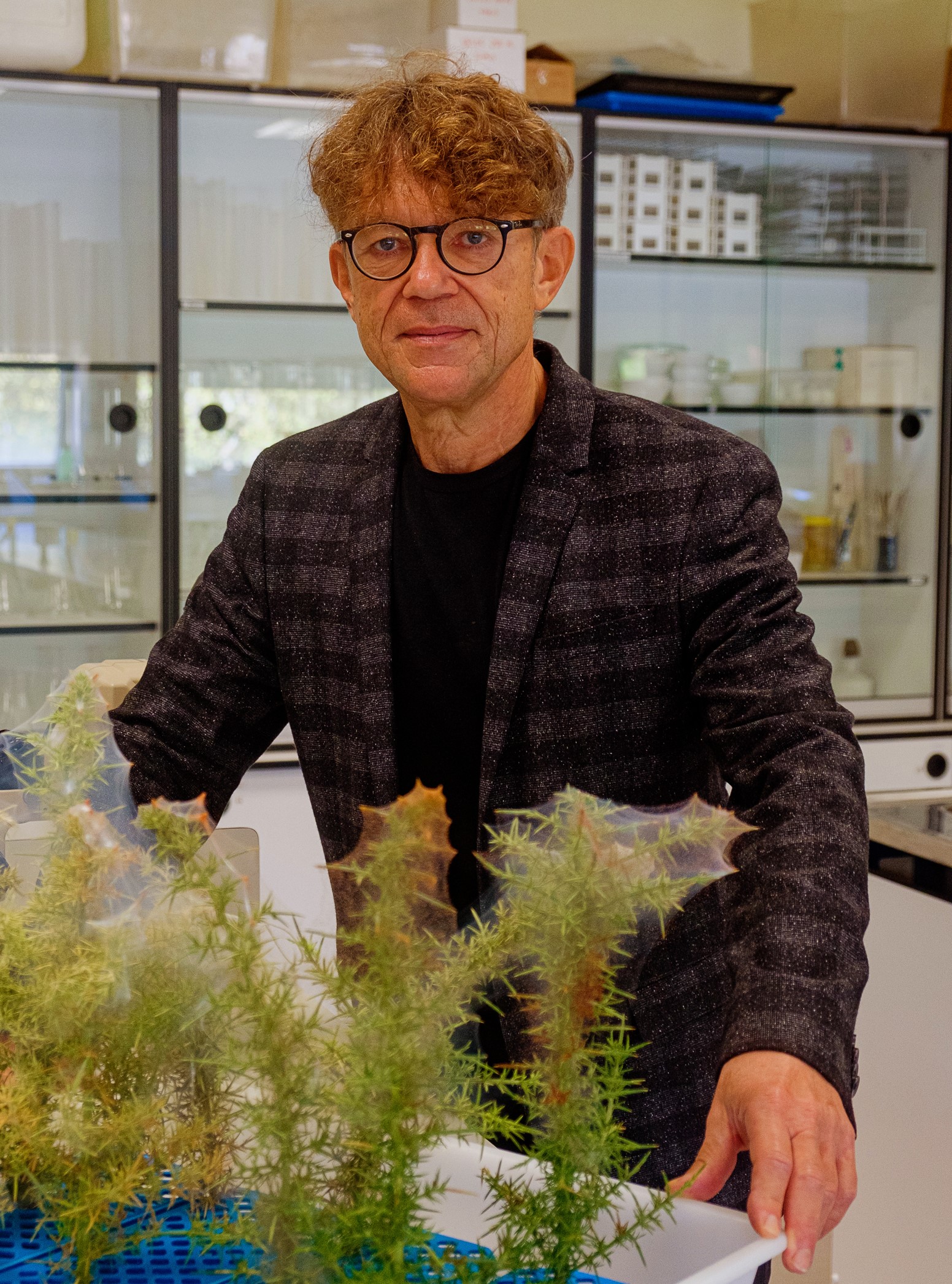
Dr. Vojislava Grbić
Dr. Miodrag Grbić

Professor

    Dr. Miodrag Grbić is a leading expert in arthropod genomics and plant–herbivore interactions. His group has developed Tetranychus urticae (Two-Spotted Spider Mite) as a model arthropod herbivore, studying its rapid life cycle, host range of over 1000 plants, and mechanisms of pesticide resistance. His research integrates genomics, metabolomics, and molecular tools to advance spider mite biology, genome analysis, environmentally sound pest control strategies, and biotechnology applications for sustainable agriculture.

Research Areas

  • Arthropod genomics and spider mite biology
  • Evolution of developmental mechanisms
  • RNAi-based pest control
  • Spider mite silk as natural bionanomaterial
  • Molecular plant–herbivore interactions
  • Biotechnology applications for sustainable agriculture

Degrees and Institutions

  • Assistant Professor, Department of Biology, University of Western Ontario, Canada (1997–2003)
  • Adjunct Professor, Wayne State University, USA (2003–present)
  • Human Frontier Postdoctoral Fellow, Univ. of Cambridge, UK (1996–1998)
  • NSF Postdoctoral Fellow, University of Wisconsin, Madison, USA (1995–1996)
  • Ph.D. Developmental Biology & Entomology, University of Wisconsin, Madison, USA (1989–1995)
  • M.Sc. Entomology, University of Novi Sad, Yugoslavia (1985–1988)
  • B.Sc. Entomology, University of Novi Sad, Yugoslavia (1979–1983)

Teaching

  • Biology 4510G – Selected Topics in Genetics
  • Biology 4560B – Human Molecular Genetics

Dr. Miodrag Grbić
Dr. Vladimir Zhurov

Research Scientist

    Dr. Vladimir Zhurov is a Research Scientist at Western University with extensive experience in genomics and molecular biology, particularly in studying plant–pest interactions. He has been part of the Genomics in Agricultural Pest Management (GAP-M) consortium, contributing to comparative genomics and transcriptomics of spider mites. His research integrates RNAi methodologies for pest control, genome optical mapping, and bioinformatic analyses.

Research Areas

  • Functional genomics
  • Molecular biology
  • Plant–pest interactions
  • RNA interference (RNAi)
  • Bioinformatics
  • Experimental design and data analysis

Degrees and Institutions

  • Research Scientist, Department of Biology, University of Western Ontario, Canada (2023 – Present)
  • Research Associate, Department of Biology, University of Western Ontario, Canada (2012 – 2023)
  • Postdoctoral Fellow, Department of Biology, University of Western Ontario, Canada (2010 – 2012)
  • Postdoctoral Associate, Robarts Research Institute, Canada (2006 – 2010)
  • PhD in Biology, Western University (2005)
  • MSc in Biology, Western University (2001)
  • BSc in Biology, St. Petersburg State University (1997)

Dr. Vladimir Zhurov

Postdoctoral Fellows

Dr. Kristie Bruinsma

Alumni/Affiliate Researcher
(currently a postdoc at the University of La Rioja, Spain)

    I study plant-herbivore interaction for the purpose of identifying effective plant defence responses against pests and appropriate molecular targets of pests that can be used in developing plant protection strategies. My work has focused on identifying defences that act directly against the herbivore Tetranychus urticae (two-spotted spider mite). My past research involved characterization of spider mite strains following adaptation to new hosts, including Arabidopsis thaliana (thale cress), and Solanum lycopersicum (tomato) and looking into what mechanisms are involved in the adaptiation process. To do this work, I have gained expertise in many techniques used in molecular genetics research, including transcriptomics, RT-qPCR, and reverse genetics technology like environmental RNAi. My goal is to encorporate the findings of my research into the generation of pest-resistant crop varieties and/or protection agents to be used in Integrated Pest Management (IPM) strategies.

Research Areas

  • dsRNA pesticide research
  • I am working towards understanding the variables that need to be considered in generating an effective RNAi based pesticide against spider mites, including route of exposure and window of effectiveness experiments.

Degrees and Institutions

  • BSc, MSc, PhD (Western University, Canada)

Dr. Postdoc 1
Dr. Joseane Moreira do Nascimento

Postdoctoral Associate

    I am currently a Postdoctoral Associate with expertise in biotechnology, leading our lab’s pesticide resistance project, where we develop molecular tools to detect and monitor mite resistance. I am also involved in studying the population dynamics of spider mites in greenhouse and soybean production, which recently led to the discovery of a new spider mite species! Alongside these projects, I’m heavily involved in developing RNAi-based acaricides in collaboration with GreenLight Biosciences. I also love teaching, and I’ve had the opportunity to train over 10 undergraduate students in the lab. I’m passionate about research that brings practical solutions to growers and the agricultural community.

Research Areas

  • Mite resistance to pesticides
  • RNAi-based acaricides

Degrees and Institutions

  • BSc in Biology, MSc and PhD in Biotechnology (University of Taquari Valley - Lajeado, Rio Grande do Sul, Brazil)

Dr. Postdoc 2
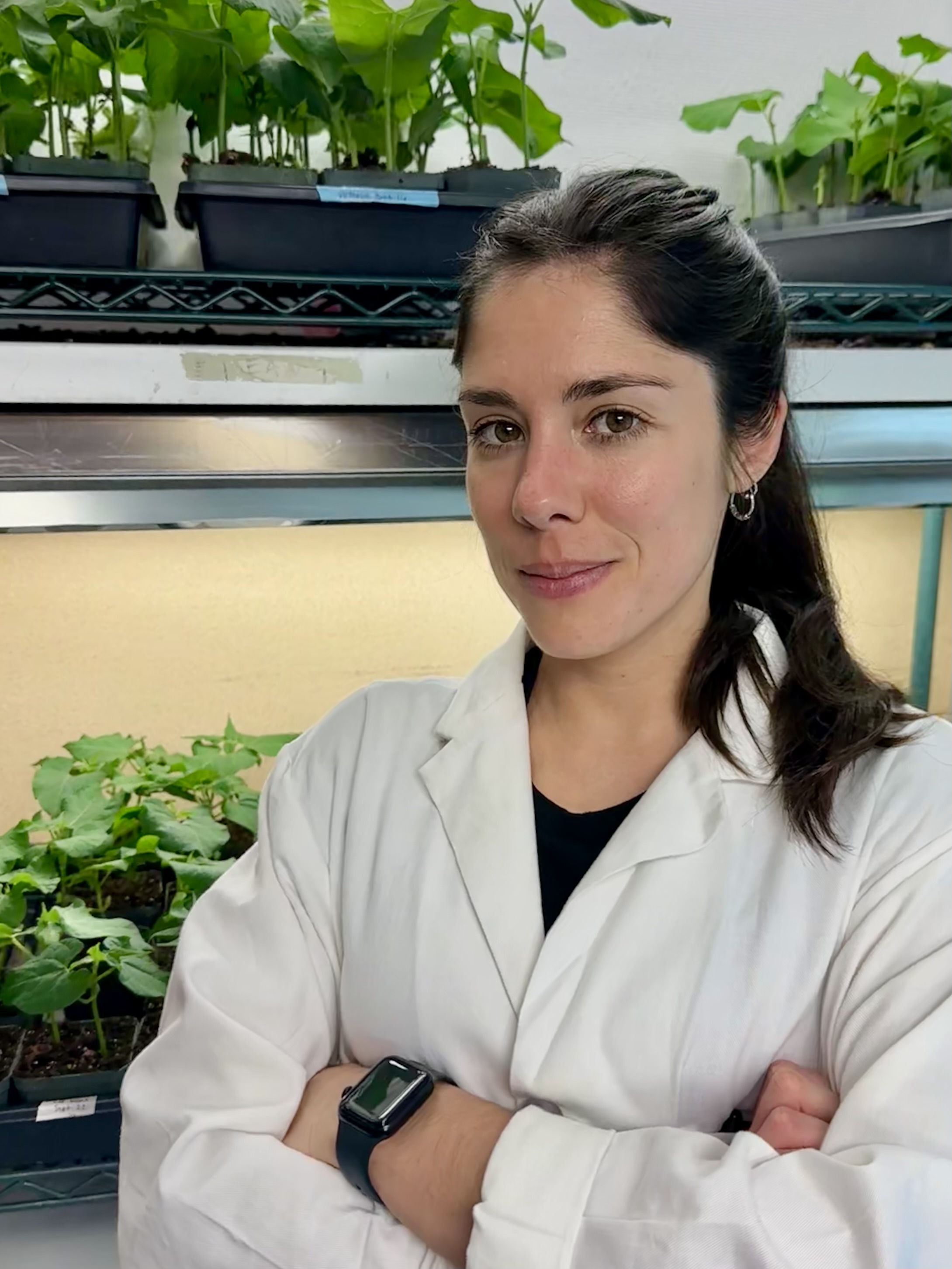
Dr. Julia Pastor Fernandez

Postdoctoral Fellow

    I am a research scientist working on the study of plant–pathogen and plant–pest interactions, aiming to develop innovative and sustainable solutions for crop protection. Currently, my research focuses on understanding plant defense responses against spider mites, as well as the strategies mites use to cope with plant toxic compounds. To address these questions, I use a combination of molecular and biotechnological approaches, including gene expression analysis, metabolomic profiling, and reverse genetics. My aim is to contribute to the development of innovative strategies for improved plant resilience and crop protection.

Research Areas

  • Molecular biology
  • Targeted and untargeted metabolomics
  • RNAi-based reverse genetics
  • Plant-pest and plant-pathogen interaction
  • Plant Induced-Resistance and Priming

Degrees and Institutions

  • Postdoctoral associate at the National Centre for Biotechnology (Madrid, Spain)
  • PhD in Plant biology and crop protection (Universitat Jaume I, Spain)
  • MSc in Agrobiotechnology (Universidad de Salamanca, Spain)
  • BSc in Agrifood engineering (Universitat Jaume I, Spain)

Dr. Postdoc 3
Reagan Michiels

BSc in Biology|Research Assistant
Cell and Molecular Biology

    I am a Research Assistant in the lab’s pesticide resistance group. My primary project focuses on developing a molecular diagnostic assay (allele-specific qPCR) targeting a resistance-conferring SNP to rapidly detect etoxazole resistance in populations of two-spotted spider mites. In addition to this work, I conduct various molecular analyses and bioassays to detect resistance to multiple pesticides in mite populations. Growing up on a cash crop farm, I have seen firsthand the impact that mites and other pests can have on crop quality and yields, motivating my interest in developing practical, genetics-based tools for integrated pest management.

Research Areas

  • Molecular diagnostics
  • Pesticide resistance
  • Integrated Pest Management
  • RNAi-based acaricides

Degrees and Institutions

  • BSc in Biology, Honours Specialization in Genetics from University of Western Ontario

Lab Technician

Students

Jorden Mikaela Maglov

PhD Candidate
Cell and Molecular Biology

    I study Arabidopsis-mite interactions. On the plant side, I am investigating the chemical complexity of Arabidopsis defenses, with a focus on phenylpropanoids and flavonoids. I use metabolomics and toxicity screens to identify chemical defenses. Conversely, I am also studying mite counteradaptations to plant chemical defenses, with a focus on mite intradiol dioxygenases. I use RNAi as a reverse genetics tool to study the function of these enzymes.

Research Areas

  • Untargeted metabolomics
  • Targeted metabolomics
  • Phytochemistry
  • RNAi

Degrees and Institutions

  • BSc in Biology, Honors Specialization in Genetics (Western University, Canada)

Graduate Student 1
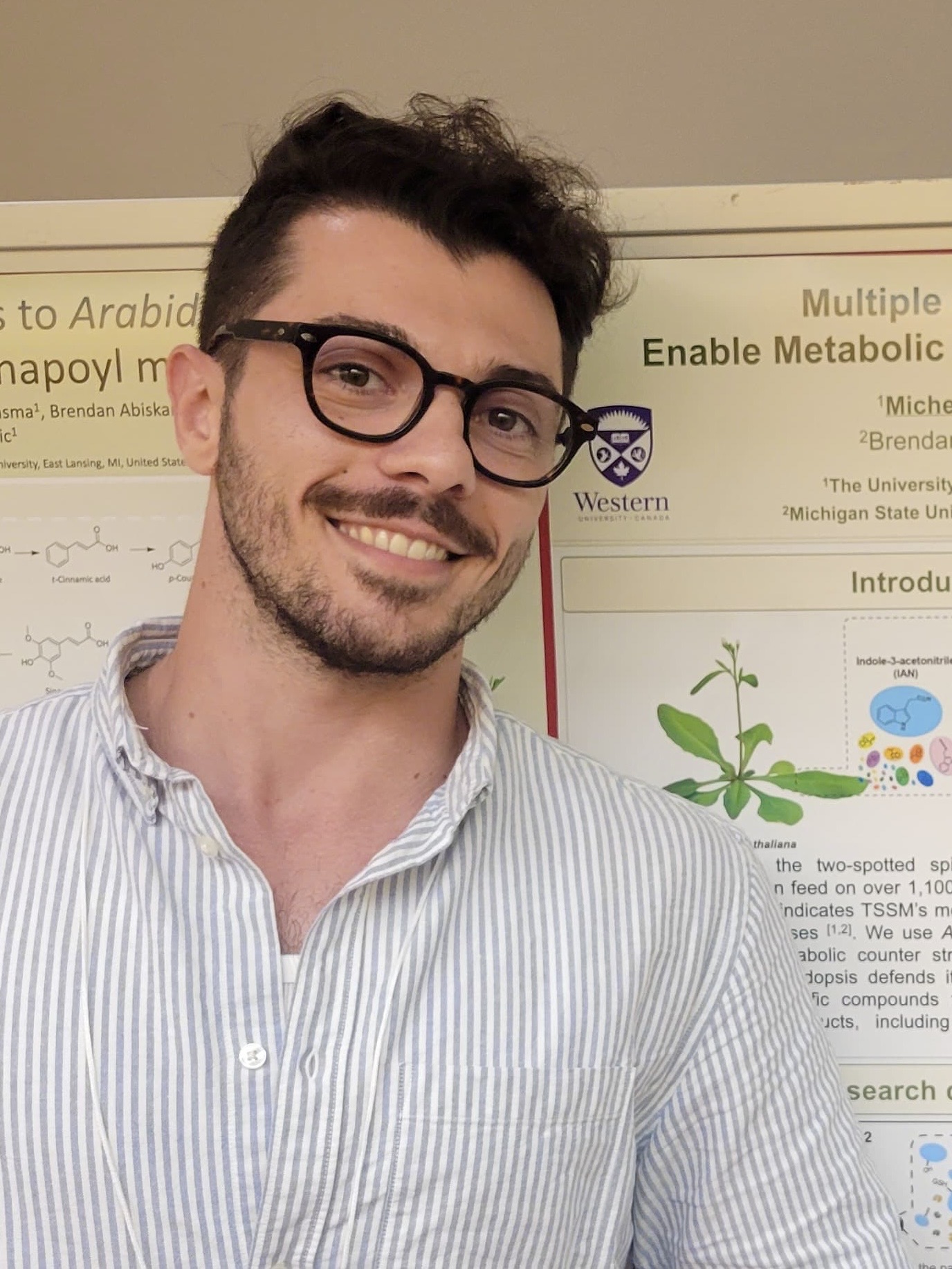
Michele Antonacci

Agronomist | PhD Candidate
Cell and Molecular Biology

Project: Indole glucosinolate-derived products as Arabidopsis defenses and the GST-mediated detoxification response in the Two-Spotted Spider Mite (Tetranychus urticae).

    My project investigates which indole glucosinolate-derived products (IGDs) contribute to the defense of Arabidopsis against the two-spotted spider mite (TSSM), as well as how TSSM counteracts these chemical barriers. To identify key defensive metabolites, I use Arabidopsis mutants with modified IGD profiles, combined with the oral delivery of individual IGDs to the mites, to assess their biological impact. We apply metabolomic profiling of mite extracts to characterize compound modifications and detoxification pathways. Additionally, candidate detoxification genes are further studied through environmental RNA interference.

Research Areas

  • Molecular biology
  • RNAi-based reverse-genetics
  • Targeted and untargeted metabolomics
  • Plant-herbivore interactions

Degrees and Institutions

  • BSc in Agricultural Science and Technologies (University of Bari Aldo Moro, Italy)
  • MSc in Plant Medicine (University of Bari Aldo Moro, Italy)

Graduate Student 3
Mikaelison da Silva Lima

Entomologist | PhD Candidate
Ecology and Evolution

Project: Characterization of the growing diversity of spider mite pest species in southeastern Ontario agriculture.

    My project explores the spider mite pest community in Ontario by analyzing their life traits and damage patterns, while employing molecular tools to identify species and evaluate their resistance to both synthetic and RNAi-based pesticides.

Research Areas

  • Integrated Pest Management
  • Life-History Traits
  • Plant–Mite Interactions
  • Pesticide Resistance (Synthetic and RNAi-Based)

Degrees and Institutions

  • BSc in Agronomy (Federal University of Viçosa, Brazil)
  • MSc in Entomology (University of Nebraska-Lincoln, United States)

Graduate Student 4
Uliana Galaktionova

MSc Student
Cell and Molecular Biology

Research Areas

  • Plant-Pest Interaction

Degrees and Institutions

Graduate Student 5

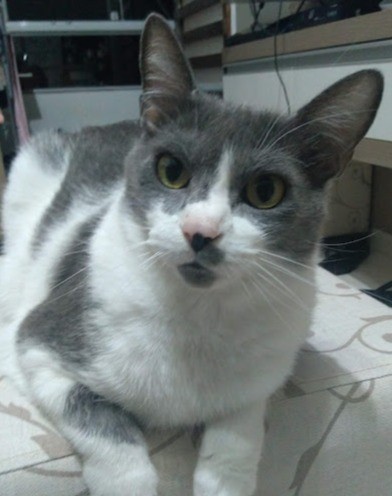
Lab Pets

Pet 1

Vera

Expertise in napping near a human (PS: any human!).

Pet 2

Scooby

Expertise in purring and being cute.

Pet 3

Lola

Expertise: Sweet potato connoisseur.

Pet 4

Floki

Expertise in drama performance (and spreading fur around the house in free time).

Services

We collaborate with farmers, growers, industry, and government partners to support spider mite monitoring, diagnostics, and management in agricultural systems.

Assessment of Pesticide Resistance Status

Diagnostic support for Tetranychus urticae populations and related species.

We assist in assessing resistance status in spider mite populations in both the field and greenhouses, using toxicological bioassays and molecular analyses. Our results support evidence-based pest management strategies, tailoring monitoring and promoting sustainability within agricultural systems.

  • Resistance screening support
  • Top-notch molecular approach
  • Useful for growers and collaborators
Contact us about this service

Species Identification

Identification and characterization of tetranychid pest biodiversity.

We are pioneering the identification and characterization of new spider mite species in Ontario agricultural systems. By combining traditional morphology-based with molecular taxonomy, we support accurate species-level identification and targeted species-specific pest management strategies.

  • Species-level identification
  • Biodiversity and pest characterization
  • IPM-oriented interpretation
Contact us about this service

Opportunities - We are hiring!

You can email me (Dr. Vojislava Grbić) for information about available positions, but please review the details below and the Western’s Biology Prospective Graduate Student webpage to make sure you meet the qualifications for the Biology program.

Current Open Positions

General Information
  • In the Grbić Lab, we focus on applying genomics and genetics to understand mite-plant interactions, aiming to develop next-generation integrated pest management strategies tailored for sustainable agriculture. Our research combines cutting-edge science with practical agricultural impact.

  • We highly value collaborative teamwork, where every member takes ownership of their projects and contributes actively to our collective success.

  • A strong attitude of curiosity and a desire for continuous learning are essential qualities in our lab.

  • We encourage motivated students and colleagues to engage deeply in research, helping develop their skills and fostering an environment of dynamic collaboration. Our lab believes in mentoring hands-on researchers who are eager to grow both academically and professionally, sharing ideas and advancing the field together.


Lab Values and Expectations
  • Inclusivity and diversity are fundamental principles in our team. We prioritize open, respectful collaboration among students and colleagues from all backgrounds and many countries, reflecting our commitment to a multicultural environment.

  • Prospective members should come prepared with enthusiasm for scientific inquiry, readiness for hands-on work, and the initiative to independently learn new techniques. Ownership of projects and proactive communication are key to thriving here.

  • Commitment to academic excellence, paired with strong teamwork skills and a proactive approach to challenges, shapes the foundation of our lab culture.

Highlights


All Publications

Grbić Lab


Got spider mites? Send us samples — we're ready to help!

If you have spider mite samples that you'd like us to analyze for pesticide resistance or species identification, please check the sampling protocol and ship them to the address below.